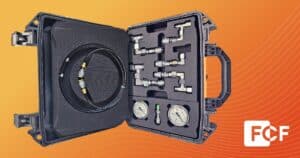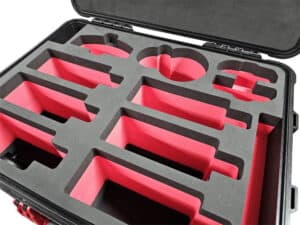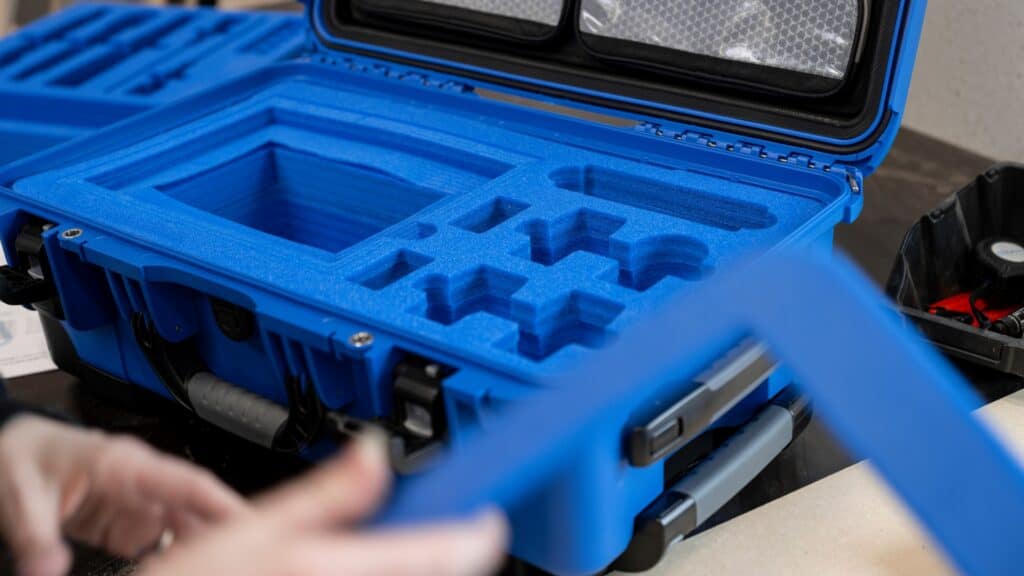
In the medical field, precision and safety are non-negotiable. Custom foam fabrication plays an integral role in ensuring that medical devices are packaged securely, protecting them from damage during transportation and storage. Our expertly crafted foam solutions are designed to meet the specific needs of each device or components, addressing factors such as shape, size, and material sensitivity. By choosing custom medical foam, manufacturers can ensure their devices arrive in top condition, ready to perform at their best.
Importance of Foam in Custom Medical Device Packaging
Making sure medical devices are safe and work properly is very important, and custom foam from medical foam manufacturers helps achieve this. These foams protect sensitive products by cushioning them against shocks and vibrations, preventing damage during transport and storage.
By designing foam inserts to fit specific devices, the chances of mechanical failures or miscalculations are reduced, keeping the devices accurate and functional. Additionally, the foam helps maintain a sterile environment. It’s made under strict hygiene standards and is usually non-porous and non-shedding, which prevents contamination and ensures cleanliness until the devices are used.
The medical industry follows strict rules to keep patients safe, and medical foam manufacturers create custom foam solutions that meet these tough standards. These manufacturers understand the requirements well and can make packaging that often goes beyond what is required. This ensures clients that their devices are well-protected, combining safety, cleanliness, and adherence to regulations in medical device manufacturing.
Types of Foam Used in Custom Medical Device Packaging
Selecting the right type of foam is essential to creating an effective packaging solution. Different foams offer distinct advantages, depending on the requirements of the medical device they’re intended to protect.
Polyurethane Foam
Polyurethane foam is known for its flexibility and resilience. It is ideal for items requiring gentle handling and is often used in protective packaging applications due to its excellent cushioning properties. Customizable to various densities, it provides tailored protection for sensitive devices.
Polyethylene Foam
Polyethylene foam stands out with its sturdy and lightweight characteristics. It provides excellent shock absorption and is perfect for devices that need a high degree of protection during transit. Its high resistance to chemicals and moisture makes it a reliable choice for maintaining the integrity of medical devices.
Cross-linked Polyethylene (XLPE) Foam
Cross-linked Polyethylene (XLPE) foam offers a unique combination of strength and softness, making it particularly effective for cushioning. It’s resistant to water, chemical spills, and changes in temperature, which is vital for the safe transportation of medical devices. Additionally, its closed-cell structure makes it an exceptional barrier against contaminants, ensuring sterility is preserved.
Benefits of Custom Medical Foam Fabrication
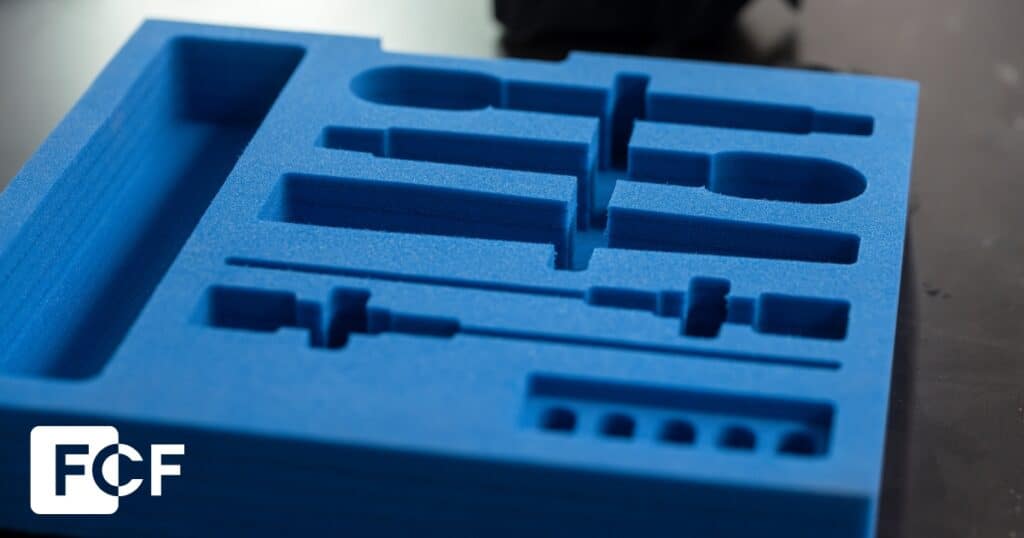
When it comes to packaging medical devices, custom foam fabrication offers significant advantages. By choosing tailored solutions, manufacturers not only ensure the safety of their products but also enhance their brand and operational efficiency.
Tailored Fit for Each Device and Component
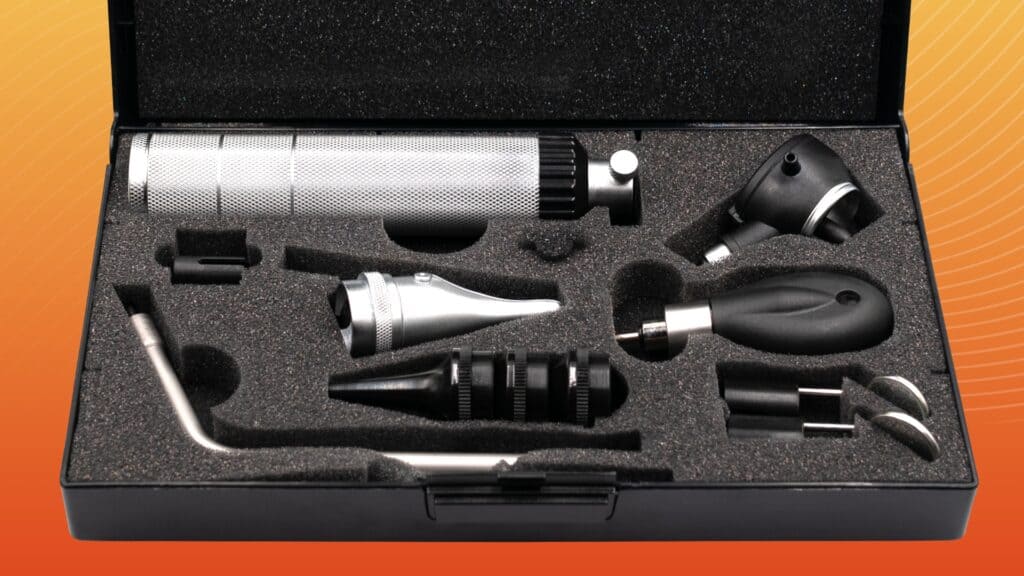
Custom medical foam ensures that each device or component receives the attention it deserves. By crafting foam to fit the unique contours and dimensions of specific devices, manufacturers can offer unmatched protection. This tailored approach minimizes movement during transit, preventing any damage and maintaining device integrity from manufacturer to end-user. Custom foam acts as a snug, protective cradle, reducing the risk of costly mishaps and guaranteeing product reliability upon arrival.
Enhanced Brand Presentation
Beyond protection, custom foam fabrication amplifies brand presentation. When clients unbox their medical devices, they encounter a professional, organized appearance that speaks volumes about a company’s commitment to quality. Utilizing custom foam reflects a brand’s dedication to precision, as well as its attention to detail. A memorable unboxing experience can set a company apart, ensuring clients remember and trust the brand.
Cost-Efficiency in Packaging
Custom foam solutions prove cost-efficient in the long run. Tailored packaging eliminates the need for excess materials, which reduces waste and streamlines packaging processes. By optimizing packaging efficiency, companies can cut down on shipping costs. With fewer damages occurring during transit, companies see fewer returns and exchanges, ensuring that customer satisfaction remains high while reducing operational expenses.
Applications for Medical Foam
Medical foam is incredibly versatile and plays a vital role in the healthcare field. Let’s dive into some of the different applications where medical foam can be used:
1. Packaging Material: When it comes to packaging, medical foam, particularly polyethylene foam, is the go-to choice. It’s used to safely pack and transport medical equipment and supplies, ensuring that they remain intact and sterile. This kind of foam offers excellent protection against impact, making sure that sensitive devices reach their destination safe and sound.
2. Medical Devices: Medical foam is also integral in the design and functionality of various medical devices. For instance, it can be found in pacemakers, heart valves, and drug delivery systems. Its biocompatibility and non-toxic nature mean that it can safely interact with the body without causing adverse reactions. This makes it a preferred material for ensuring the reliability and safety of these essential devices.
3. Orthopedic Implants: Medical foam is often used in orthopedic implants to provide cushioning and support. Its ability to conform to the body and reduce friction makes it ideal for ensuring patient comfort and improving the success of implant procedures.
The Future of Medical Foam for Packaging
The future of medical foam for packaging is bright with innovation leading the way. As medical devices become more complex, the demand for custom foam solutions will only increase. By partnering with expert manufacturers, healthcare providers can ensure that their products are not only safe but also optimally presented to end users.