In today’s fast-paced tech-driven world, safeguarding shipments of sensitive electronics like smartphones, cameras, laptops, and gaming consoles is crucial. With the increasing demand for these electronic devices, businesses face the challenge of ensuring these items arrive intact and undamaged. Electronics are susceptible to numerous transit hazards, including physical damage from drops, electrostatic discharge, and moisture infiltration. Here, protective foam packaging plays a pivotal role.
Foam materials offer comprehensive solutions by providing shock absorption, static protection, and moisture resistance. They are versatile, cost-effective, and customizable, ensuring that electronic devices reach their destination in pristine condition. By employing custom foam inserts, businesses can enhance safety and reliability, minimize risks and maximize customer satisfaction.
Importance of Protective Foam Packaging
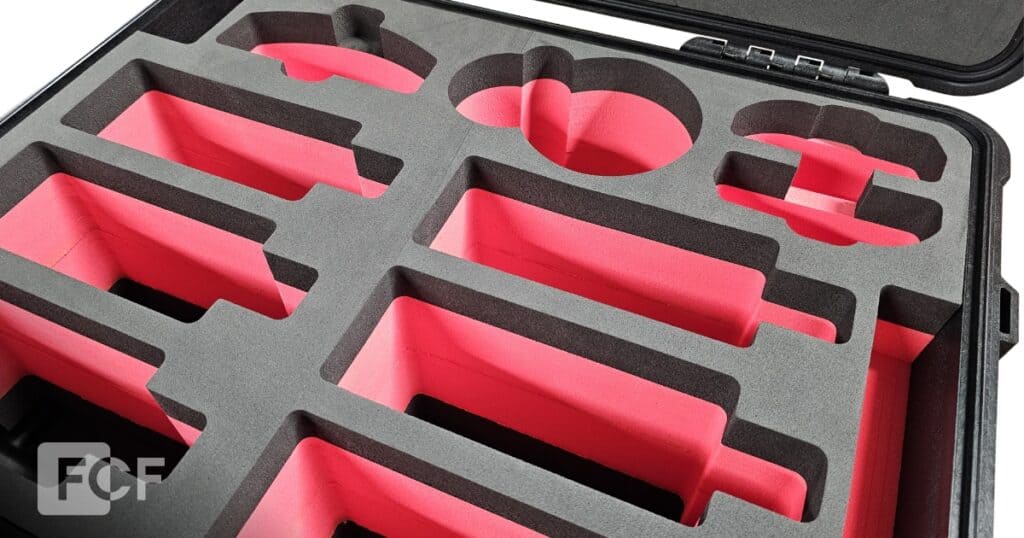
Custom foam packaging protects electronics from damage, electrostatic discharge, and moisture while reducing waste and improving material efficiency. Options like polyethylene, polyurethane, and anti-static foam meet diverse shipping needs, and can incorporate brand colors, logos, or taglines for added recognition. Partnering with experienced foam specialists ensures tailored, cost-effective, and sustainable solutions—so electronics arrive intact, functional, and ready for use.
Challenges in Shipping Sensitive Electronics
Shipping electronic devices isn’t without its hurdles. These sensitive items face threats including:
- Physical Damage: Impacts, drops, and vibrations during transit can lead to both internal and external damage.
- Electrostatic Discharge (ESD): Static electricity poses a significant risk, capable of damaging essential components.
- Moisture Exposure: Contact with humidity or liquids can result in corrosion or short-circuits.
- Pressure Variations: Changes in altitude, particularly during air shipments, can affect sealed units.
- Abrasions: The delicate surface of many electronics can easily sustain scratches.
Versatility and Benefits of Foam Materials
Foam materials are revered for their adaptability and suite of benefits when it comes to protecting electronics:
- Shock Absorption: Foams like polyethylene are designed to dissipate energy from impacts, reducing potential damage.
- Static Protection: Anti-static foams provide crucial ESD protection, essential for preserving sensitive electronic components.
- Moisture and Abrasion Resistance: Certain foams can resist moisture, while others, like EPE, guard against surface abrasion.
- Customization: These materials can be precisely cut and tailored to fit various devices, enhancing stability and reducing movement during shipment.
Customizing Foam Packaging Solutions
Tailoring Foam Inserts for Specific Devices
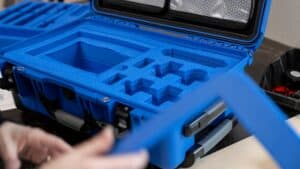
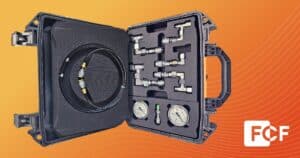
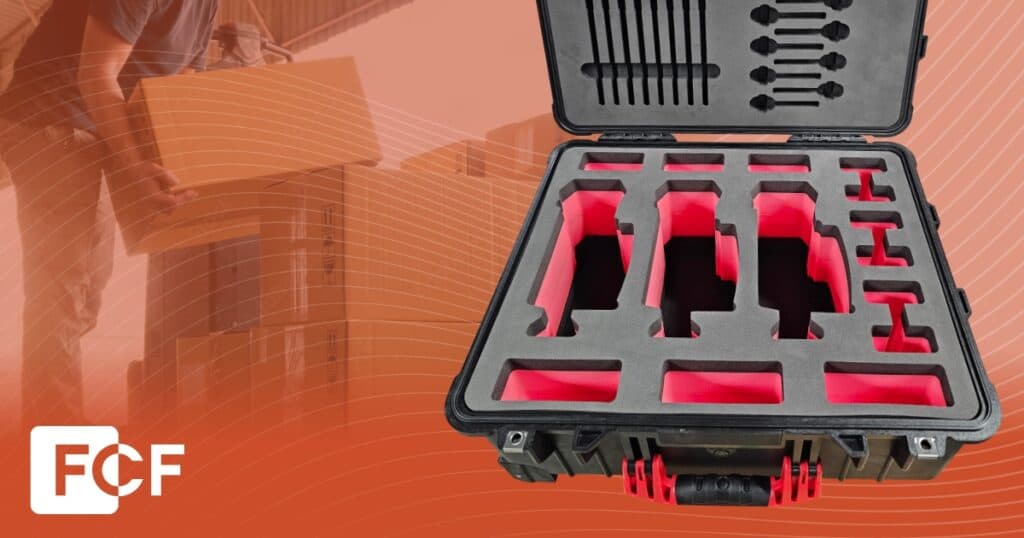
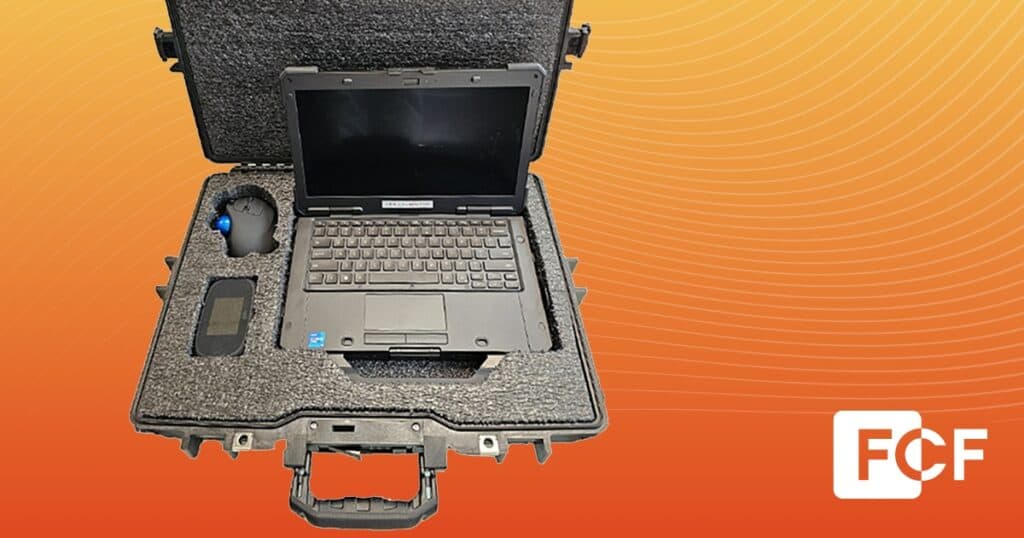
Custom foam inserts enhance electronics packaging by offering security and convenience. Fox Custom Foam specializes in crafting inserts from materials like polyurethane and polyethylene to securely fit components, reducing transit damage. Our foam suits a range of shapes, from circuit boards to monitors, ensuring protection and organization. We excel at solving packaging challenges, providing personalized solutions with top-notch customer support for superior protection and peace of mind.
Reconfigurable and Reusable Foam Solutions
Foam solutions are becoming more adaptable, focusing on reusability and reconfiguration. Closed-cell polyethylene and flexible polyurethane foams allow easy modification of packaging as needs change, supporting sustainability by reducing the need for new materials. This turns foam packaging into a dynamic part of shipping and storage strategies, boosting economic and environmental efficiencies.
Factors to Consider in Foam Selection
Selecting the appropriate foam for packaging electronics involves several critical considerations:
- Device Sensitivity: Understand the vulnerability of the device to shock, static, or moisture. Choose materials like anti-static or high-impact foams accordingly.
- Shipping Conditions: Anticipate potential challenges such as temperature changes or moisture exposure; opt for foam types that withstand these conditions.
- Environmental Impact: For businesses aiming at sustainability, eco-friendly and recyclable foam materials should guide selection.
- Cost-Efficiency: Balance between protection and budget to devise cost-effective solutions without compromising on safety.
How Foam Packaging Revolutionizes Electronics Industry
Foam packaging systems are crucial in the electronics industry by providing essential protection during shipping and handling. Its unique properties make it more than just packaging:
1. Shock Absorption and Vibration Dampening: Foam, like closed-cell polyethylene and polyurethane, reduces impacts from drops and vibrations, protecting valuable electronics like computers and circuit boards.
2. Anti-Static Properties: Certain foams combat electrostatic discharge, safeguarding sensitive components from damage.
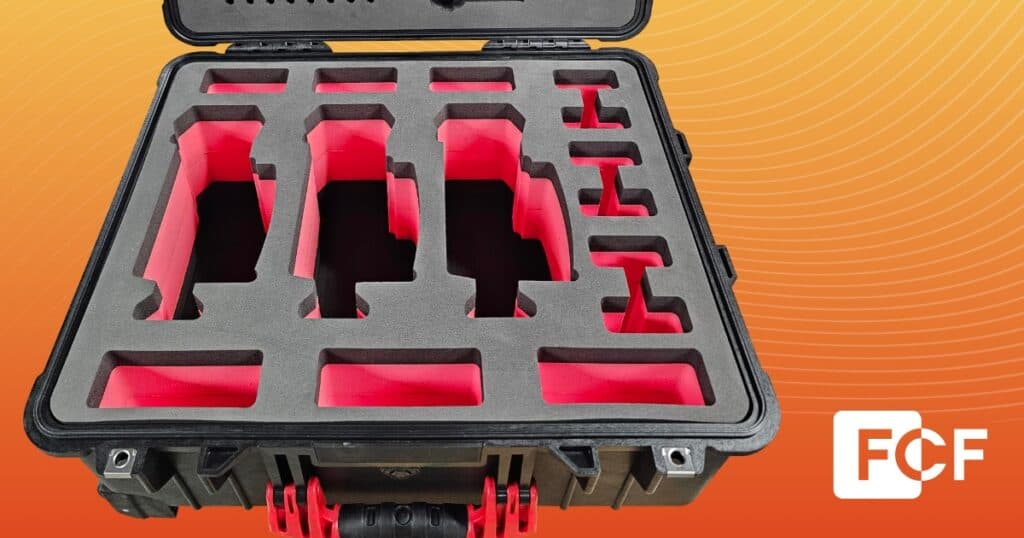
3. Customization for Optimal Protection: Foam inserts can be tailored to fit specific devices, ensuring they stay secure and protected during transit.
4. Sustainability and Efficiency: Many foams are recyclable and biodegradable, aligning with eco-friendly practices and reducing packaging waste.
Overall, foam packaging systems offer a blend of protection, customization, and environmental benefits, making it vital for modern electronics’ safe transport.
The Essential Role of Custom Foam Packaging in Electronic Shipping
Electronics packaging foam protects devices from damage, electrostatic discharge, and moisture while reducing waste and improving material efficiency. Materials like polyethylene, polyurethane, and anti-static foam meet diverse shipping needs and can incorporate brand colors, logos, or taglines. Partnering with experienced foam specialists ensures tailored, cost-effective, and sustainable solutions—so electronics arrive intact, functional, and ready for use.